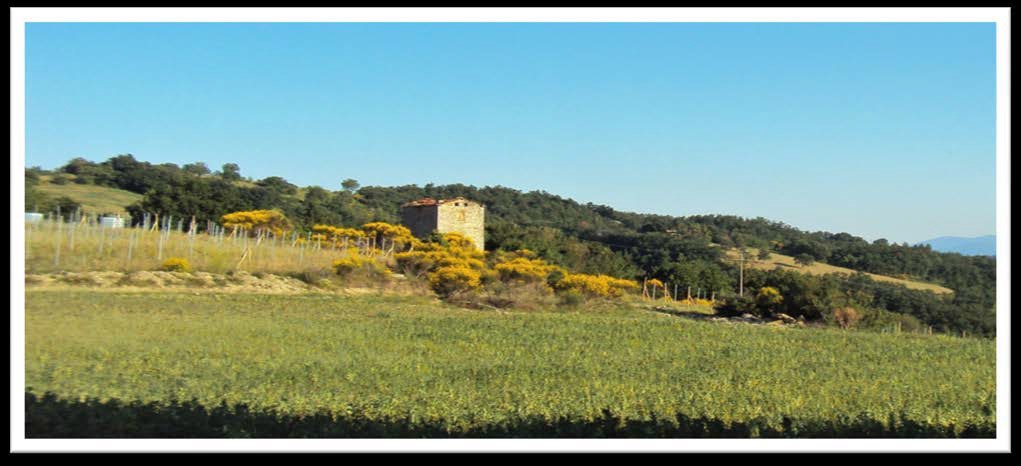
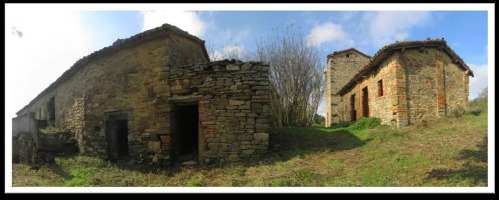
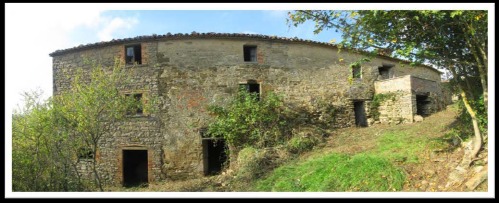
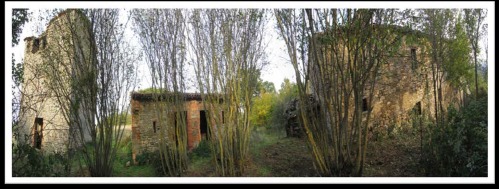
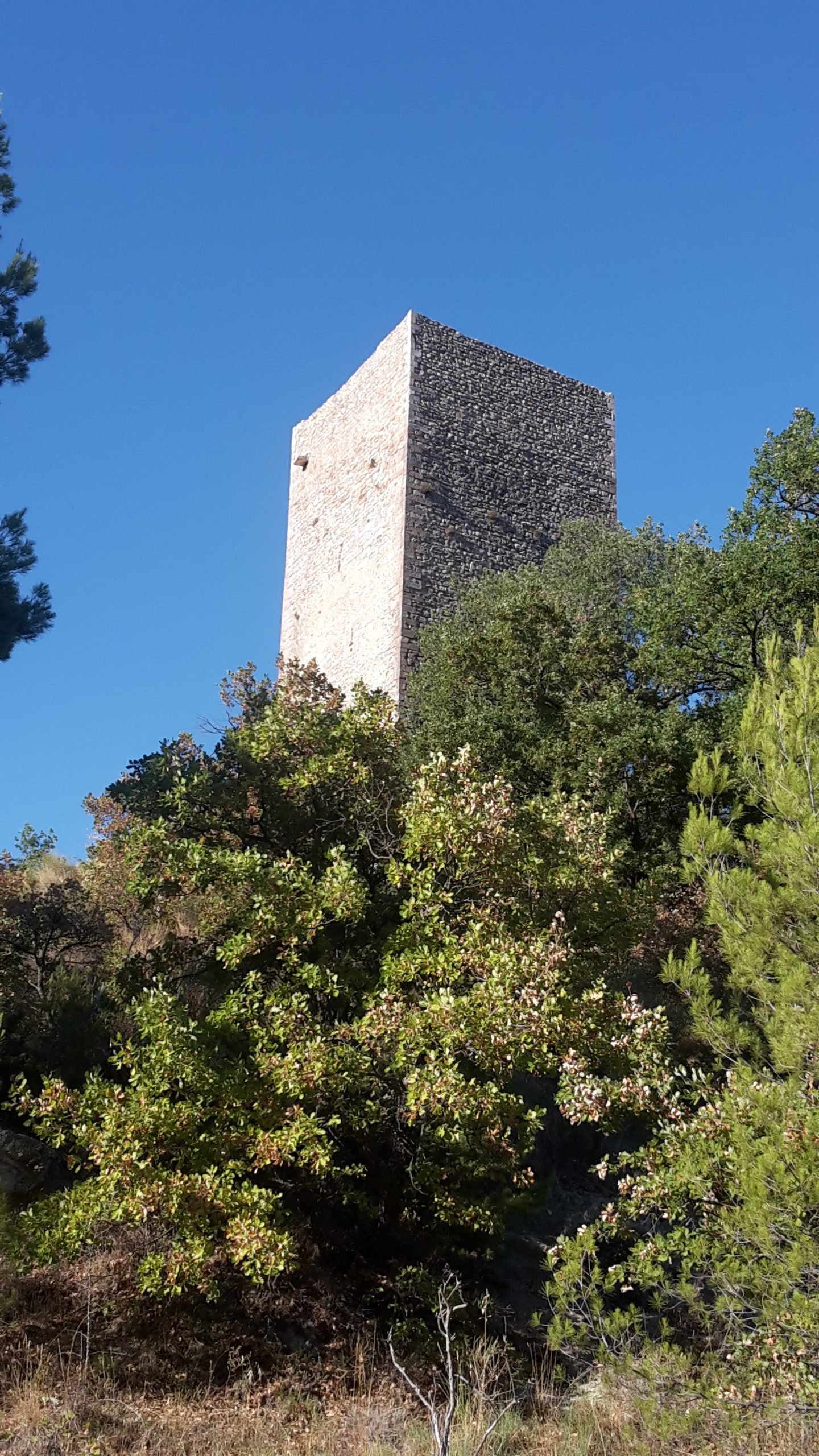
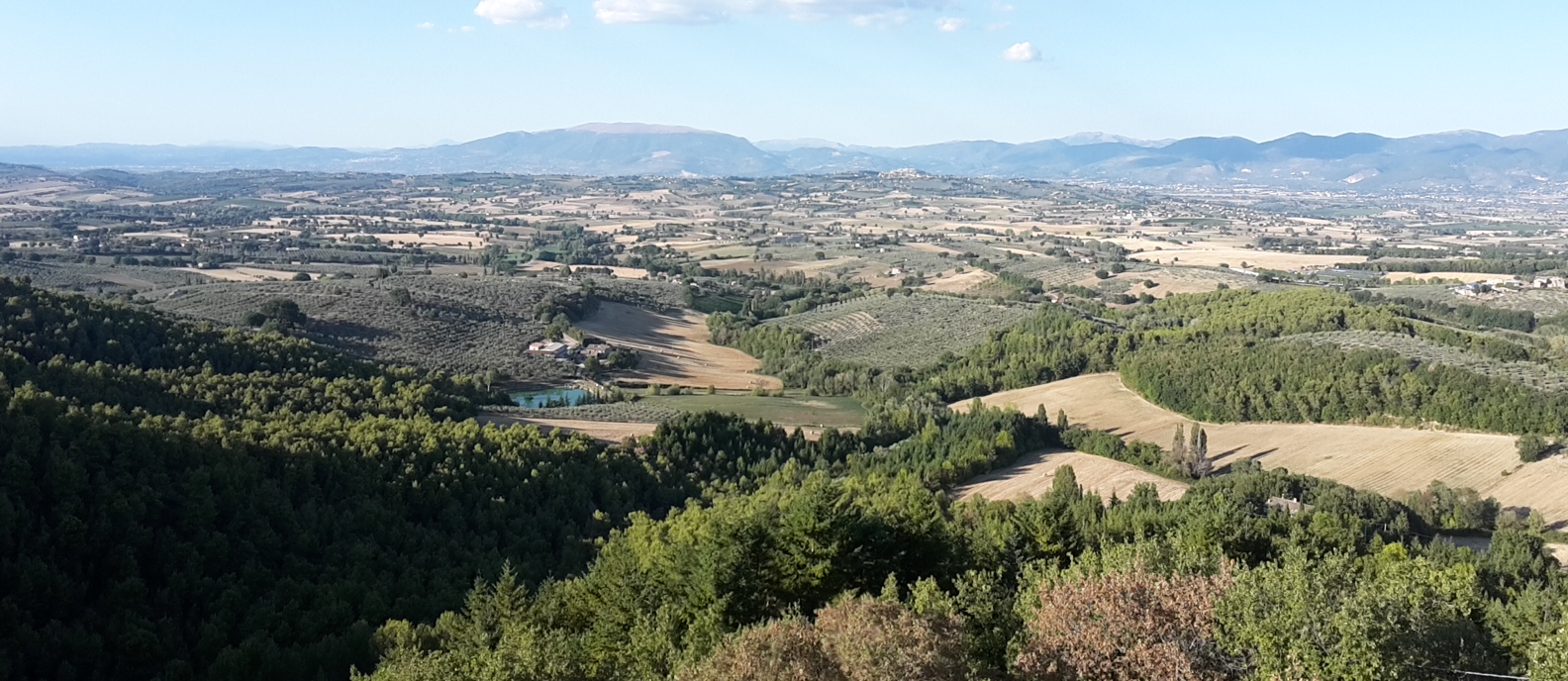
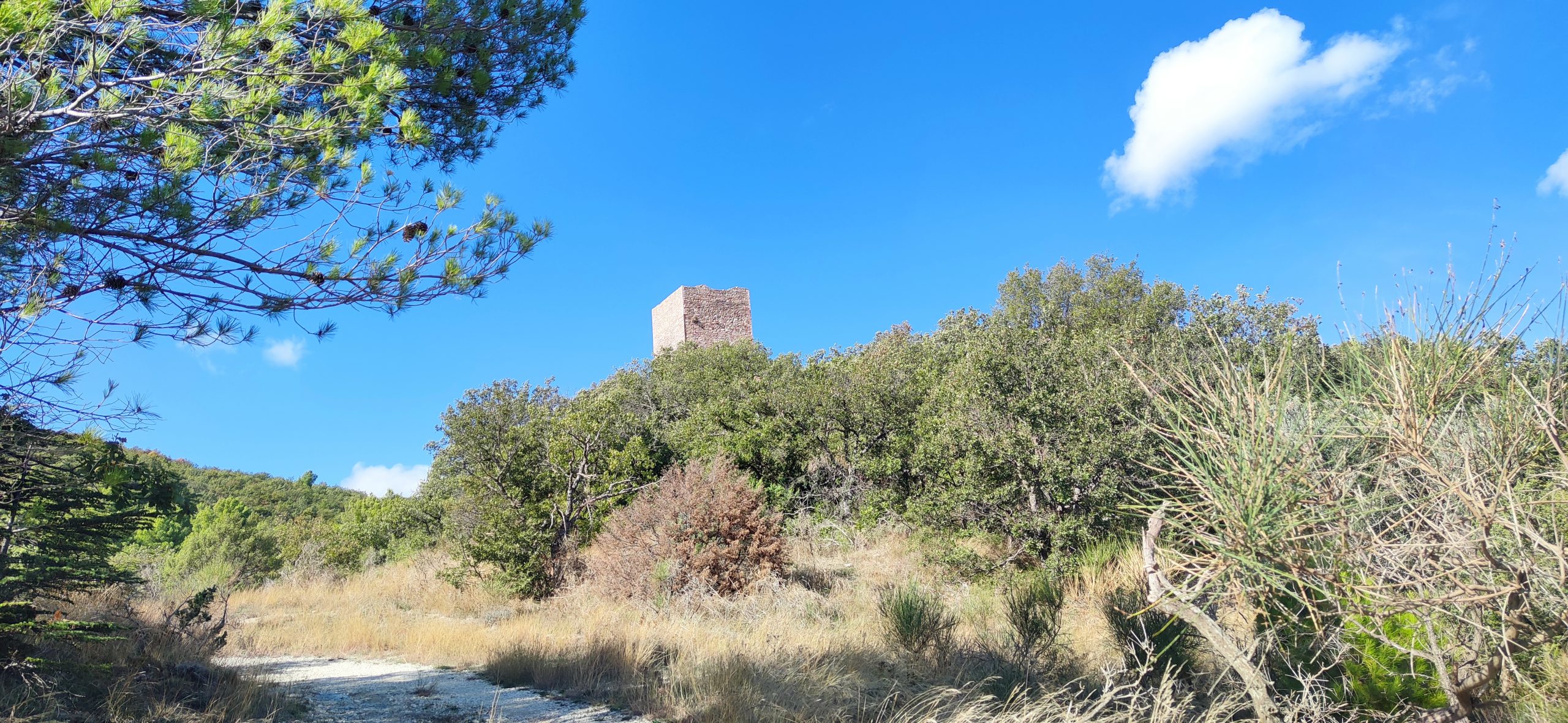
For sale is the Clarignano Tower, a piece of Umbria’s most ancient and noble history. The property, dating back to the 15th century, dominates the hills surrounding the Morcicchia Castle, between Montefalco and Giano dell’Umbria. It is the last vestige of a medieval complex belonging to the noble Clarignano family, originally from Montefalco, owners of a castle that was probably destroyed in the first half of the 14th century. In the previous century, the castle was considered part of the Trevi territory, despite being located on the border with Morcicchia and Colle del Marchese, between Castel Ritaldi, Montefalco, and Giano. It is believed that the castle, of which no trace remains, once stood near the current village of Colle del Marchese, on the slopes of the Monti Martani.
By the end of the 12th century, it was already owned as a fief by the noble lords of Clarignano, vassals of the Church, who in 1213 ceded it to the Municipality of Spoleto, choosing to submit to the city government. The nobles of Clarignano still retained possession of that castle in 1341, when they renewed their subjection to Spoleto.
The bilge tower, the subject of the sale, built between 1486 and 1491, was commissioned by the Municipality of Spoleto from Rosso Matteo di Francesco Balsimelli, known by the pseudonym Rosso da Settignano, the creator of one of the holy water stoups in the Spoleto Cathedral, dated 1461, and the pavement of the side aisles of the Spoleto Cathedral.
Much salvaged material from the half-ruined castle was used to build the tower, which is mentioned in the Historical Compendium of the Life, Virtues, and Miracles of Saint Fortunatus, edited by Stefano Monticelli, parish priest of Montefalco, and published in 1829 by the Tomassini printing house of Foligno:
Corcurione (an archaic name for Montefalco, ed.) remained under the protection of Spoleto until around 1212, and would have remained there even longer, had a noble citizen of the Clarignani family, eager to be included in the nobility of Spoleto, not caused serious controversy between his homeland and the said city by ceding his Clarignano castle to the latter. This caused Corcurione’s right to free grazing, and other rights, to be challenged…
The following testimony of the aforementioned deed of sale is available, taken from a Manuscript dated March 20, 1213, which states, verbatim:
Landrino, Filippo, Egigio, and Ascarello, nobles of Clarignano, cede to the aforementioned municipality their rights to the castle and tower of that place.
THE NOBLE LINEAGE OF THE CLARIGNANO FAMILY
The nobility of the Clarignano family from Montefalco is documented in various historical sources. Again from the Compendium on the Life of Saint Fortunato we learn:
“The family of the so-called Nobles of Clarignano was once equally conspicuous. This family owned the Castle of Clarignano, no longer existing today, located between Montefalco and Giano near Spoleto. Today, only a tower remains, which still retains the name of Clarignano. This fiefdom, having been donated by Landrino Clarignani of Montefalco to the City of Spoleto in order to be incorporated into that nobility in 1212, was the cause of considerable turmoil with the said City and Montefalco over the latter’s claim to the Jus Pascendi on the said land. This dispute lasted more than two centuries, and was then amicably resolved in 1490, through arbitration judges, on both sides, under the pontificate of Innocent VIII, by the Governor of Spoleto, Archbishop Maurizio Cibo, the Pope’s brother, and the Rector Antonio De Alberici, Archdeacon of Orvieto, subdelegated by Cardinal Francesco Piccolomini of Siena.
From this family, among others, a certain Angelo Troili, General of the Armies, was born. He was called by Emperor Charles V of the Nobles and served with extraordinary valor under the aforementioned Reigning Emperor. He later earned the title of “The Strong and Sincere Man,” according to the Diploma of Privileges granted to him. Of this Angelo Troili, the following eulogy is written: “Angelus Francisci Troili de Nobilibus de Clarignanis, quae familia Clarignana suis temporibus magnae extimationis per obitum dicti Angeli. Year 1565.”
THE LEGEND OF THE GOLDEN PIG
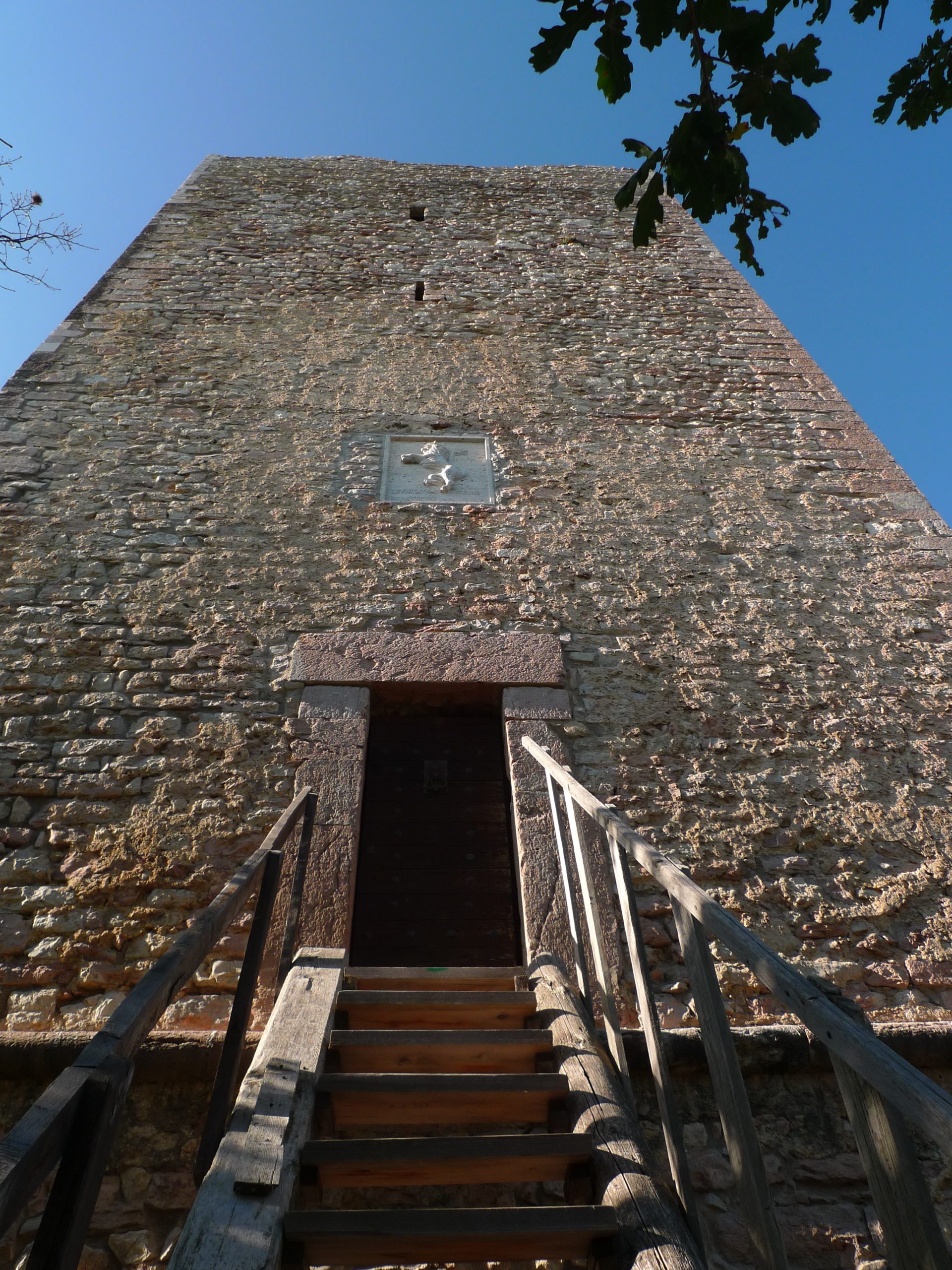
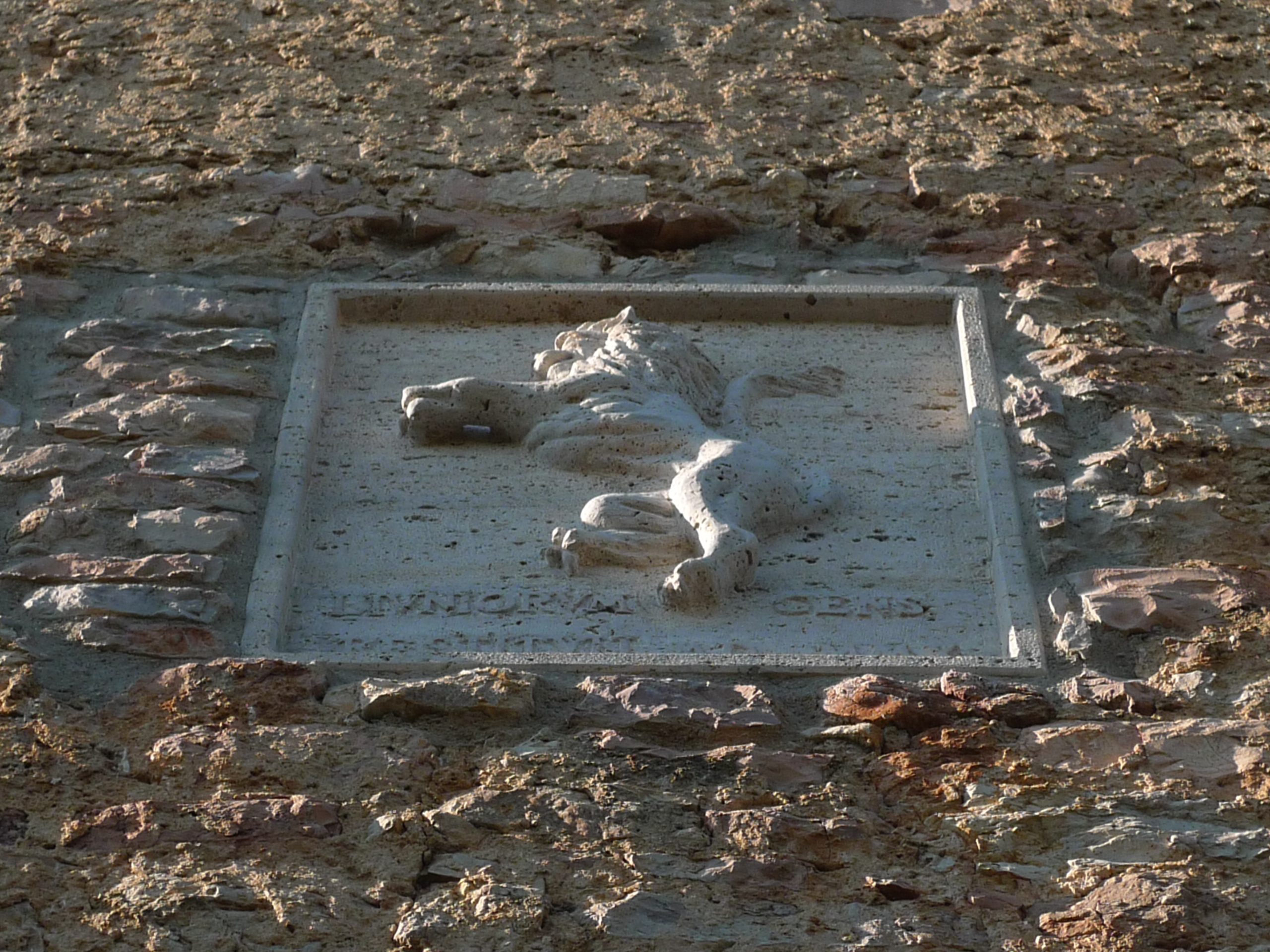
A curious legend, linked since the dawn of time to the Clarignano tower, tells of a treasure hidden inside. An ancient oral tradition maintains that it was a golden pig. The owners conducted thorough historical research, which led to the discovery of material testifying to the construction work, specifications, and execution, with certain attribution to the famous architect who worked on the interior of Spoleto Cathedral in the second half of the 15th century.
THE PROPERTY FOR SALE
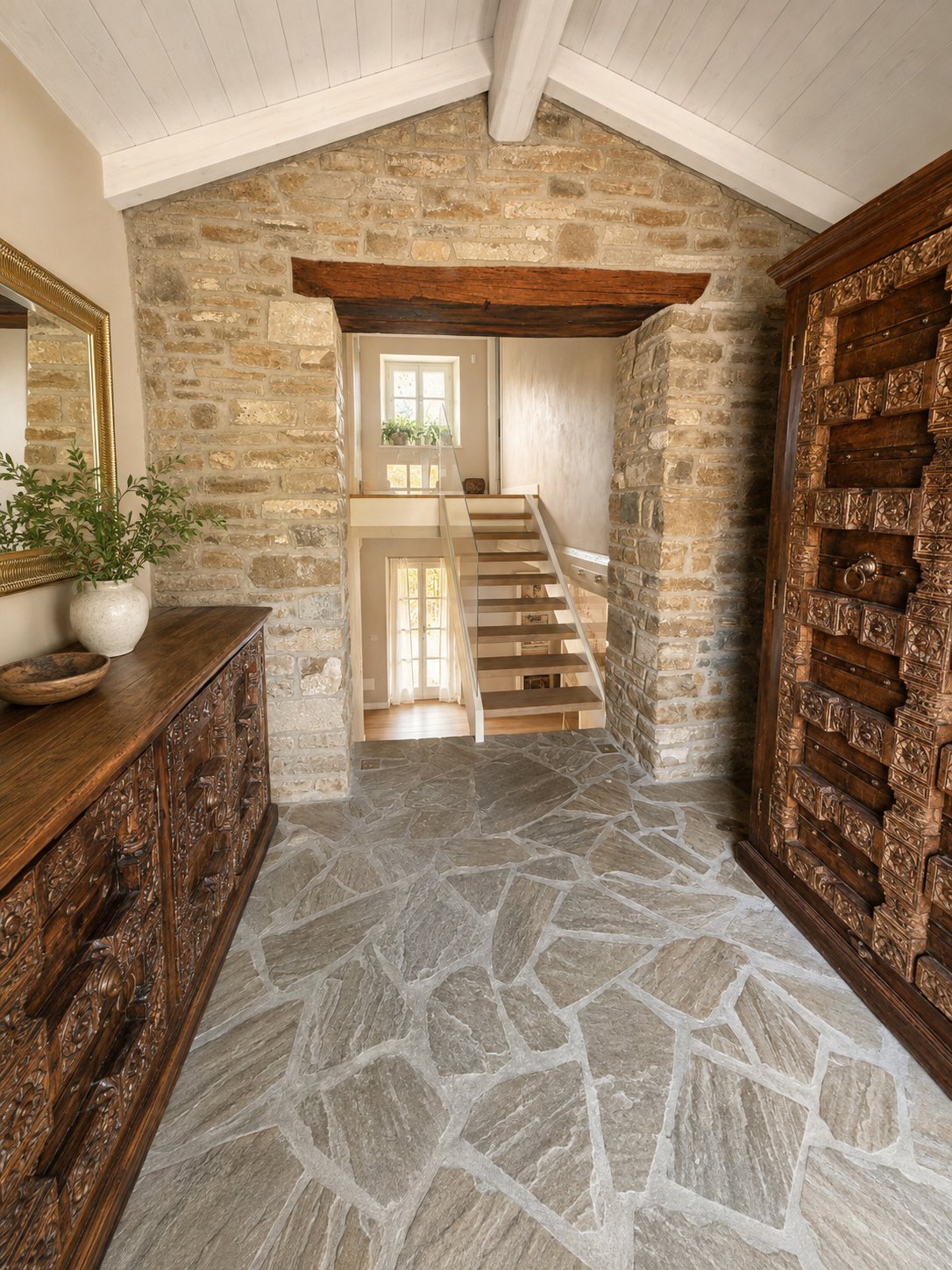
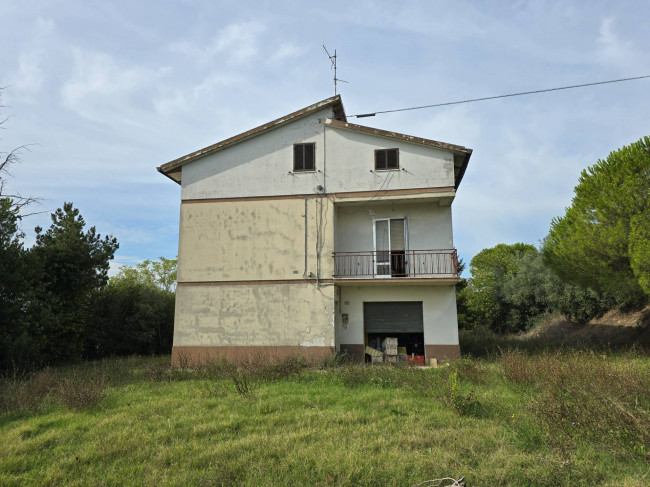
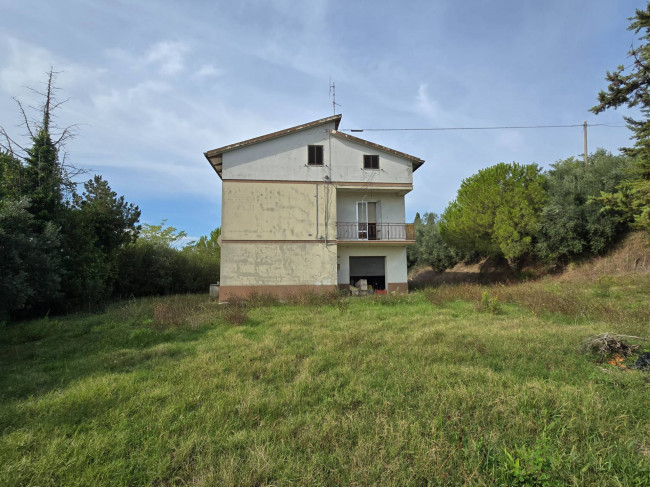
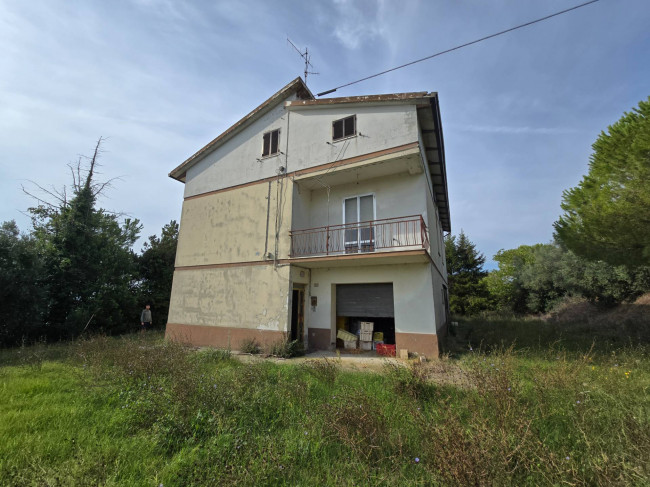
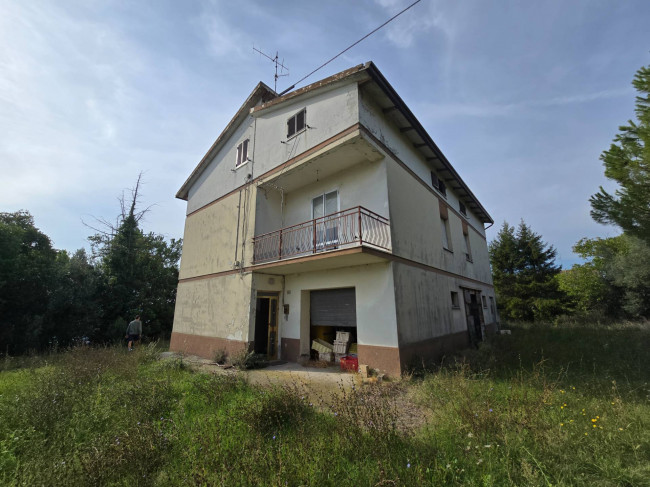
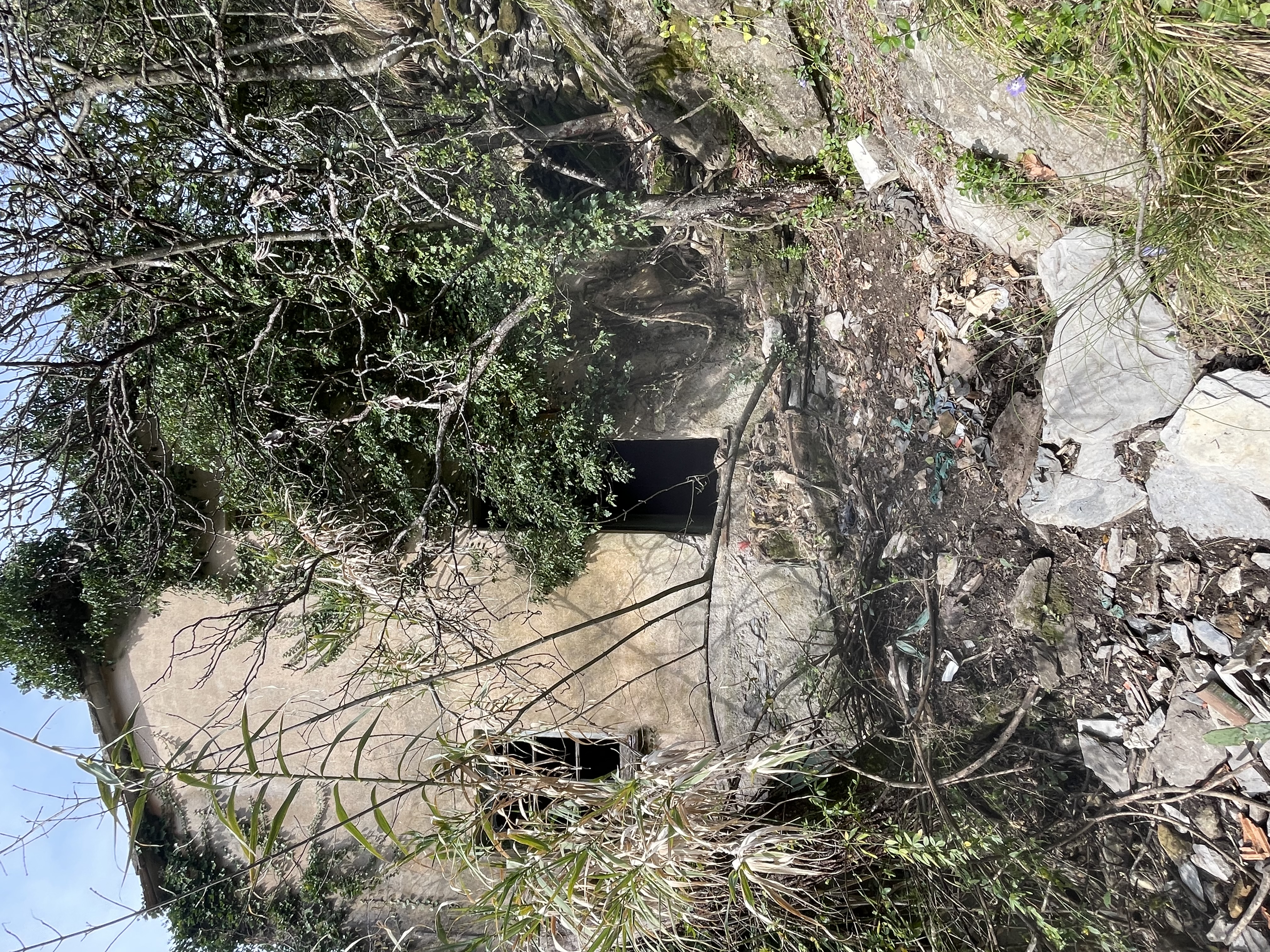
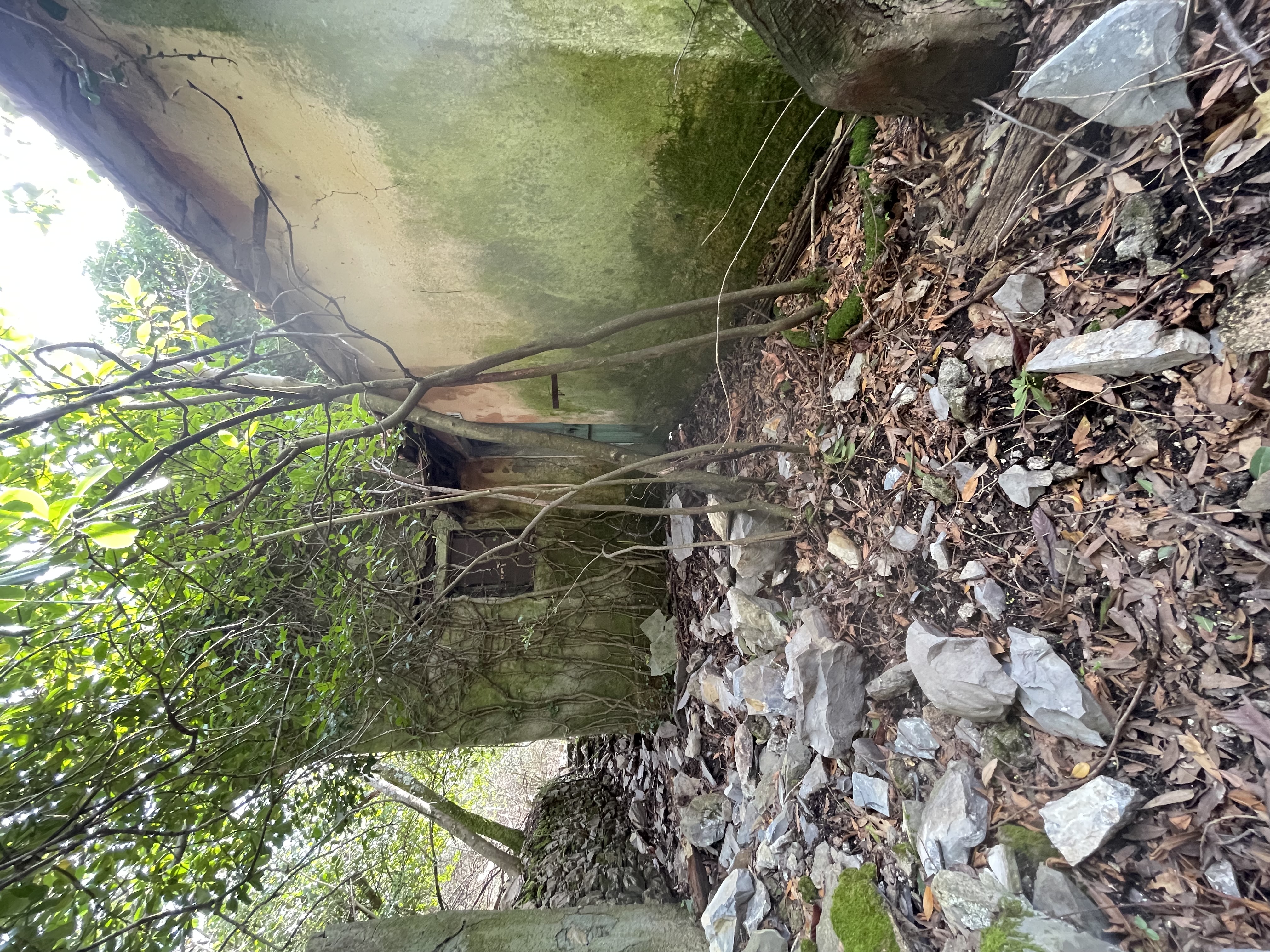
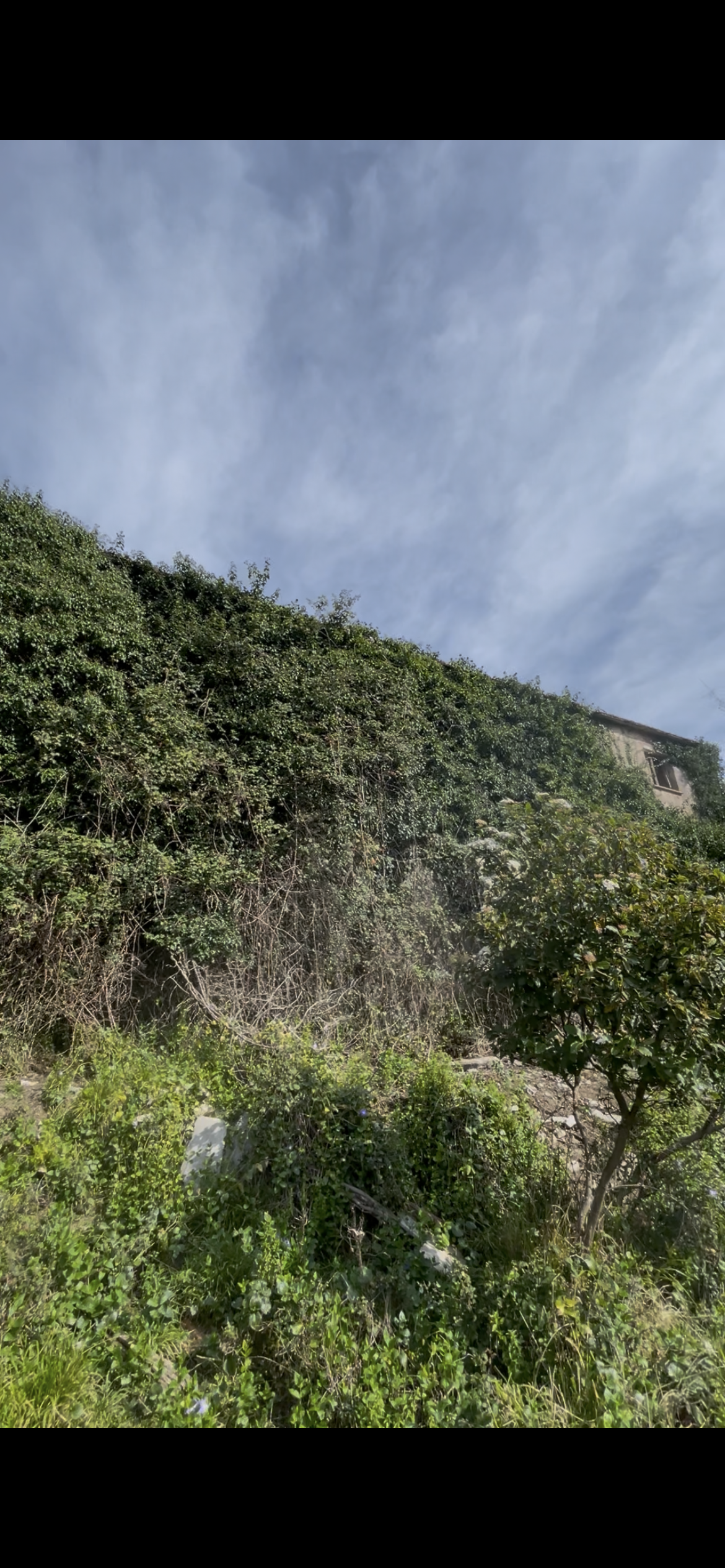
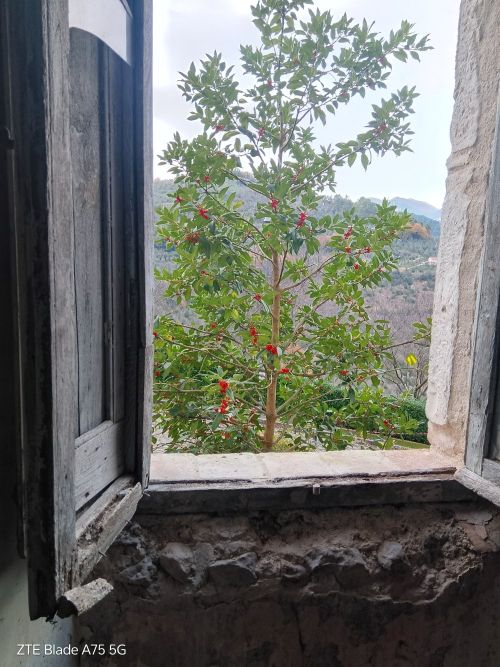
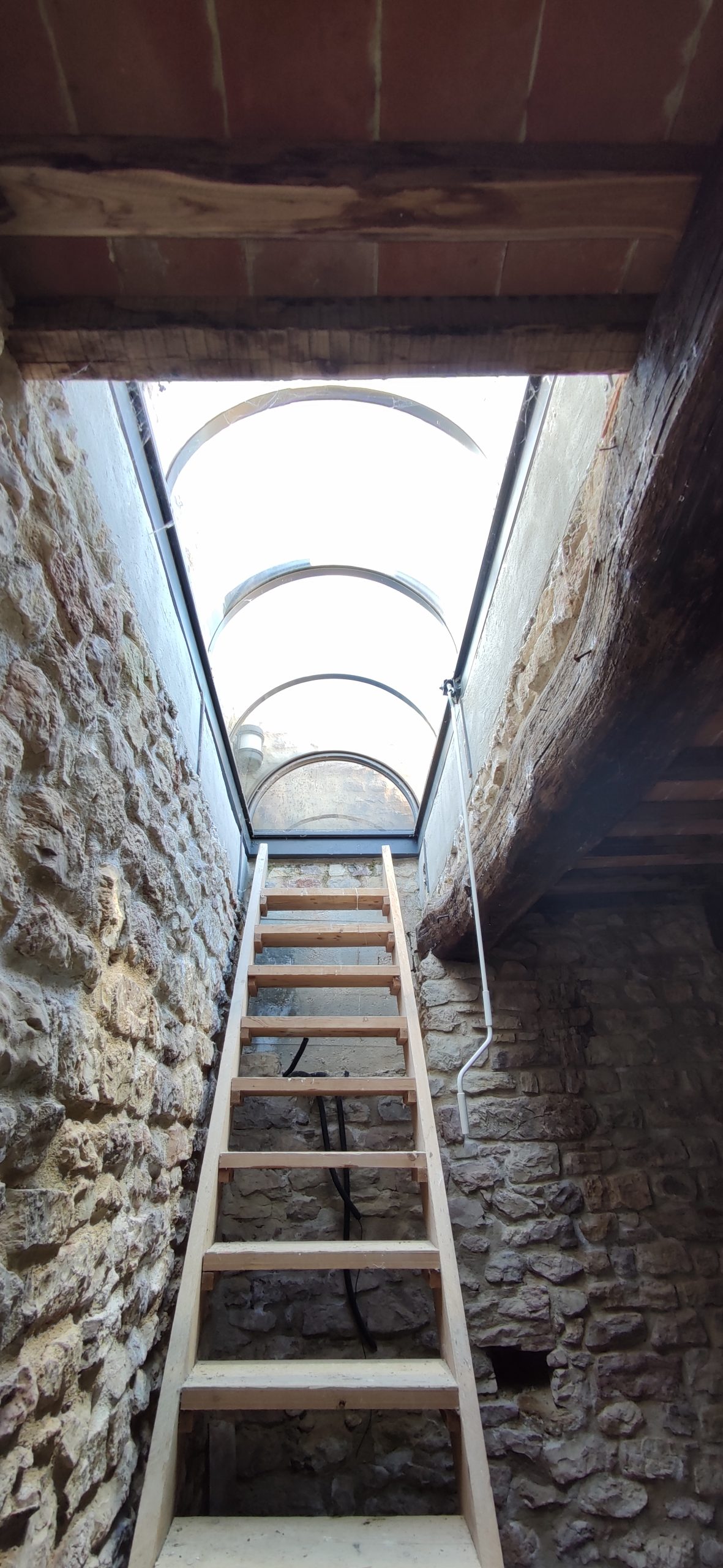
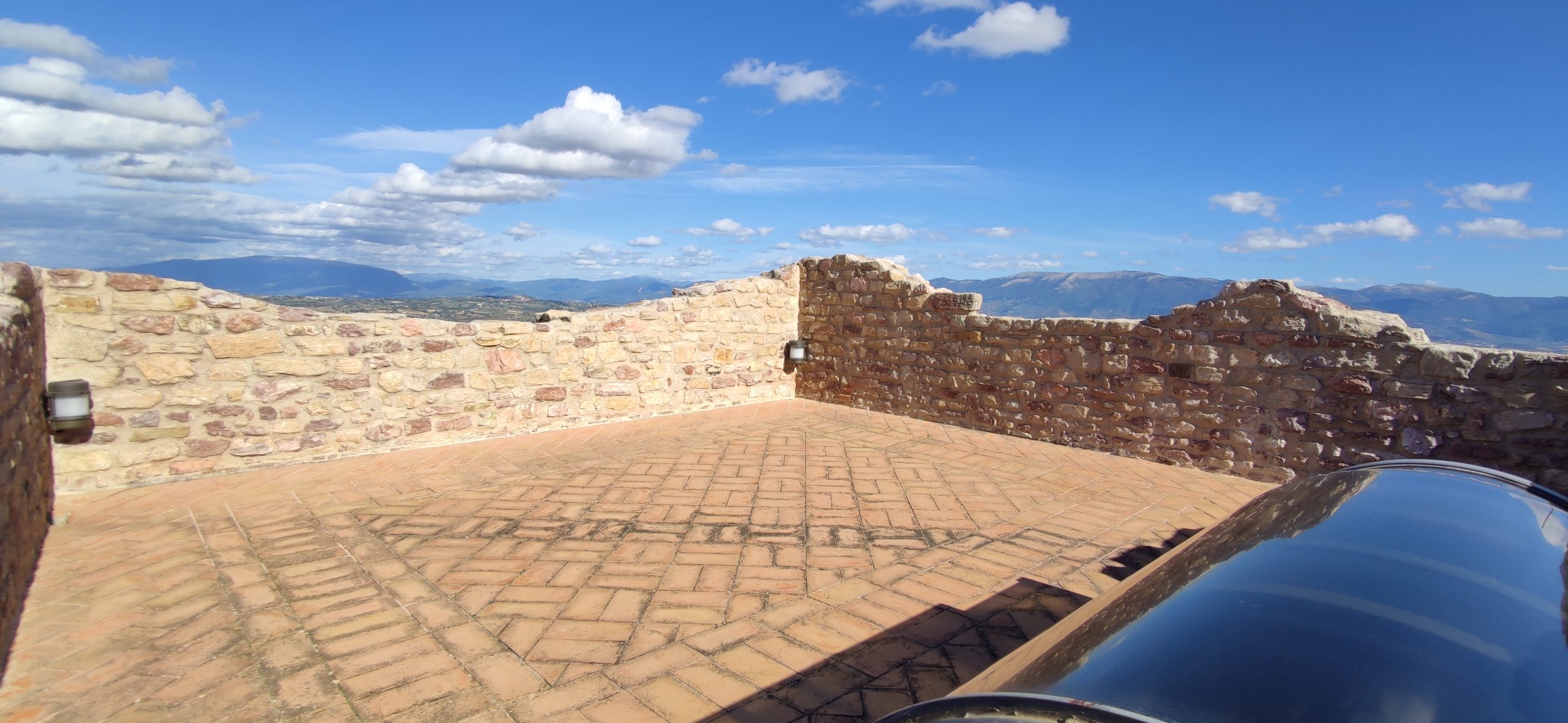
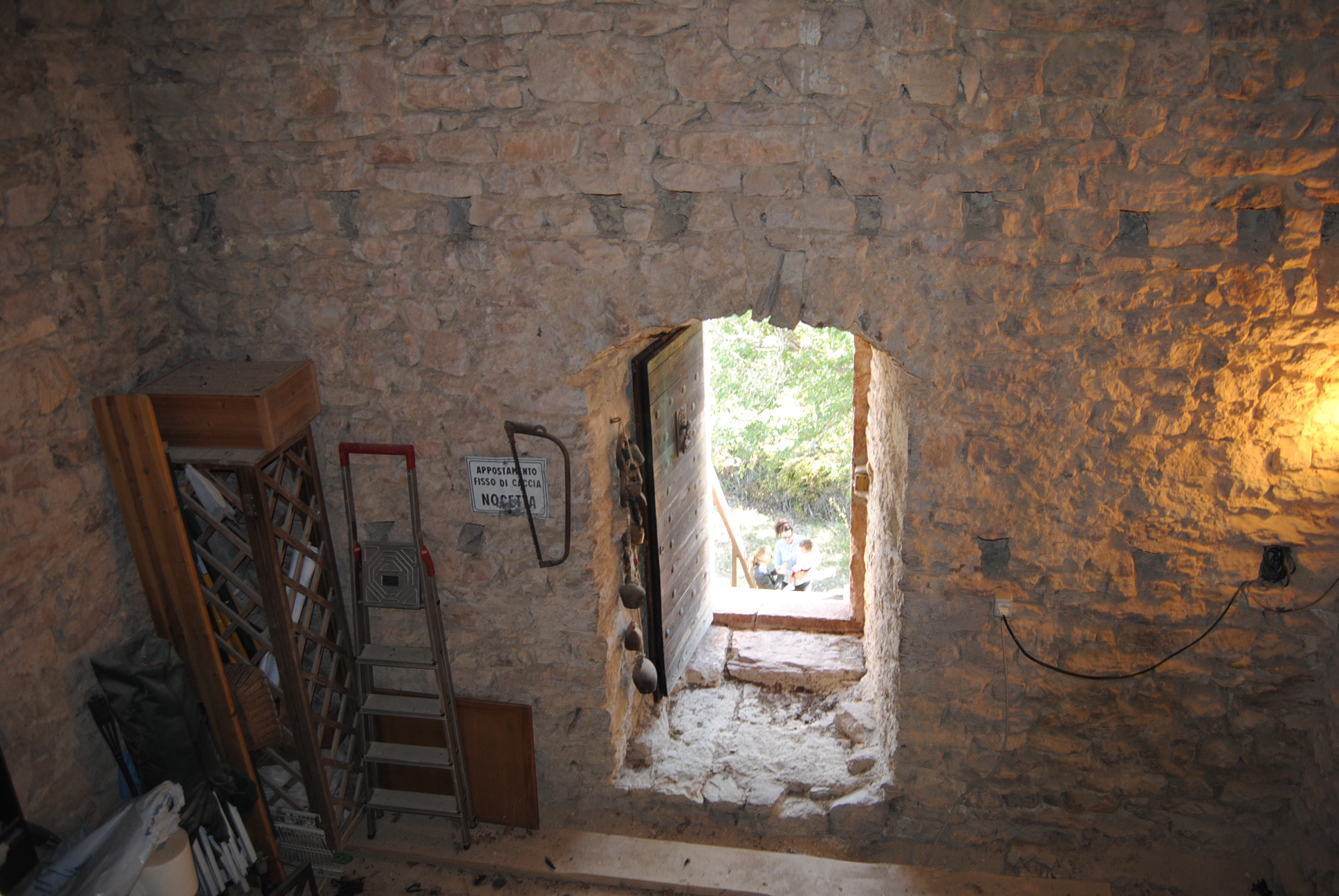
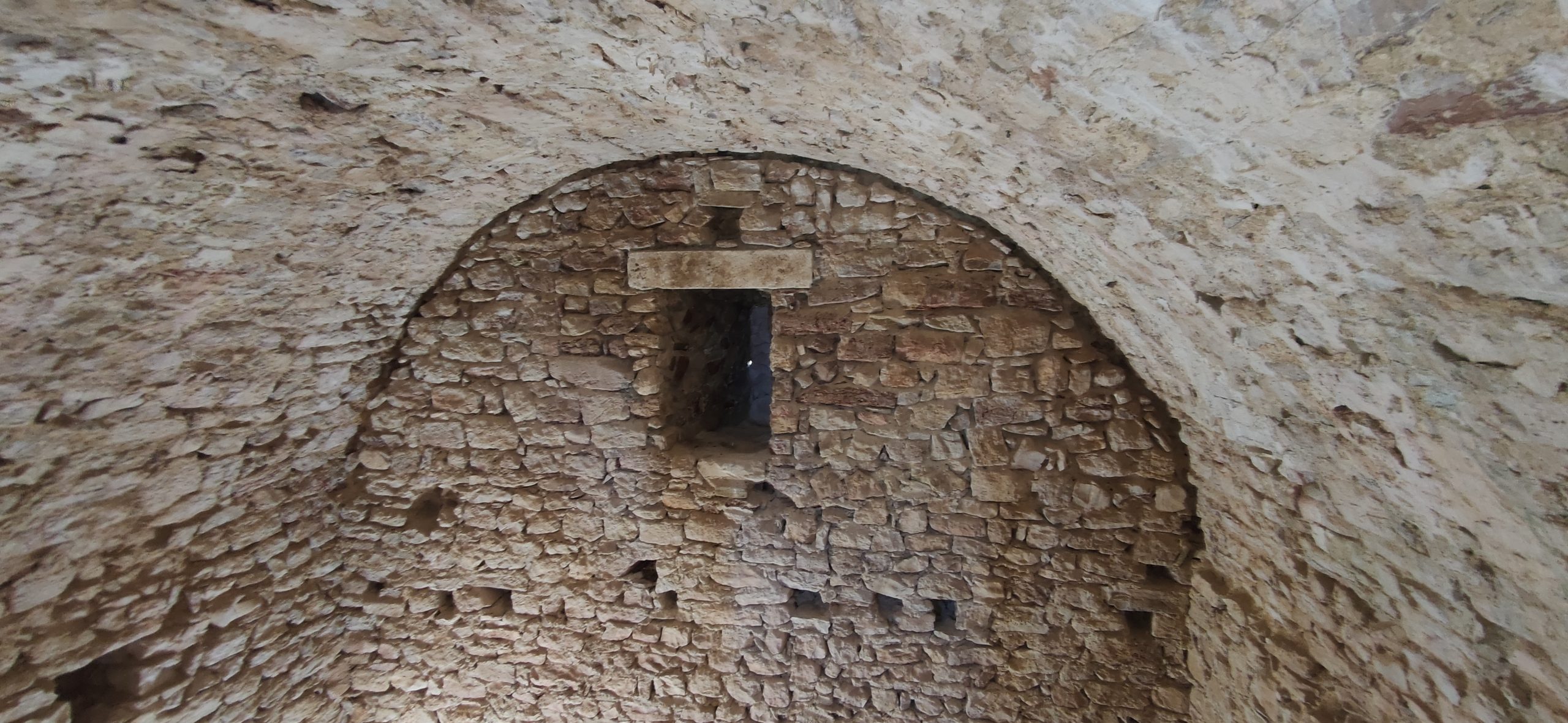
In 2007, the property underwent extensive renovations to consolidate its main structures, preserving its original state and ensuring its continued stability. The structure, approximately 20 meters high with external dimensions of approximately 7.5 x 7.5 meters, is divided into three sections, each punctuated by two barrel vaults and an attic of varying heights. The terrace offers breathtaking views of the Umbrian countryside. The interior can be further subdivided by installing inter-story attics, depending on the intended use and design.
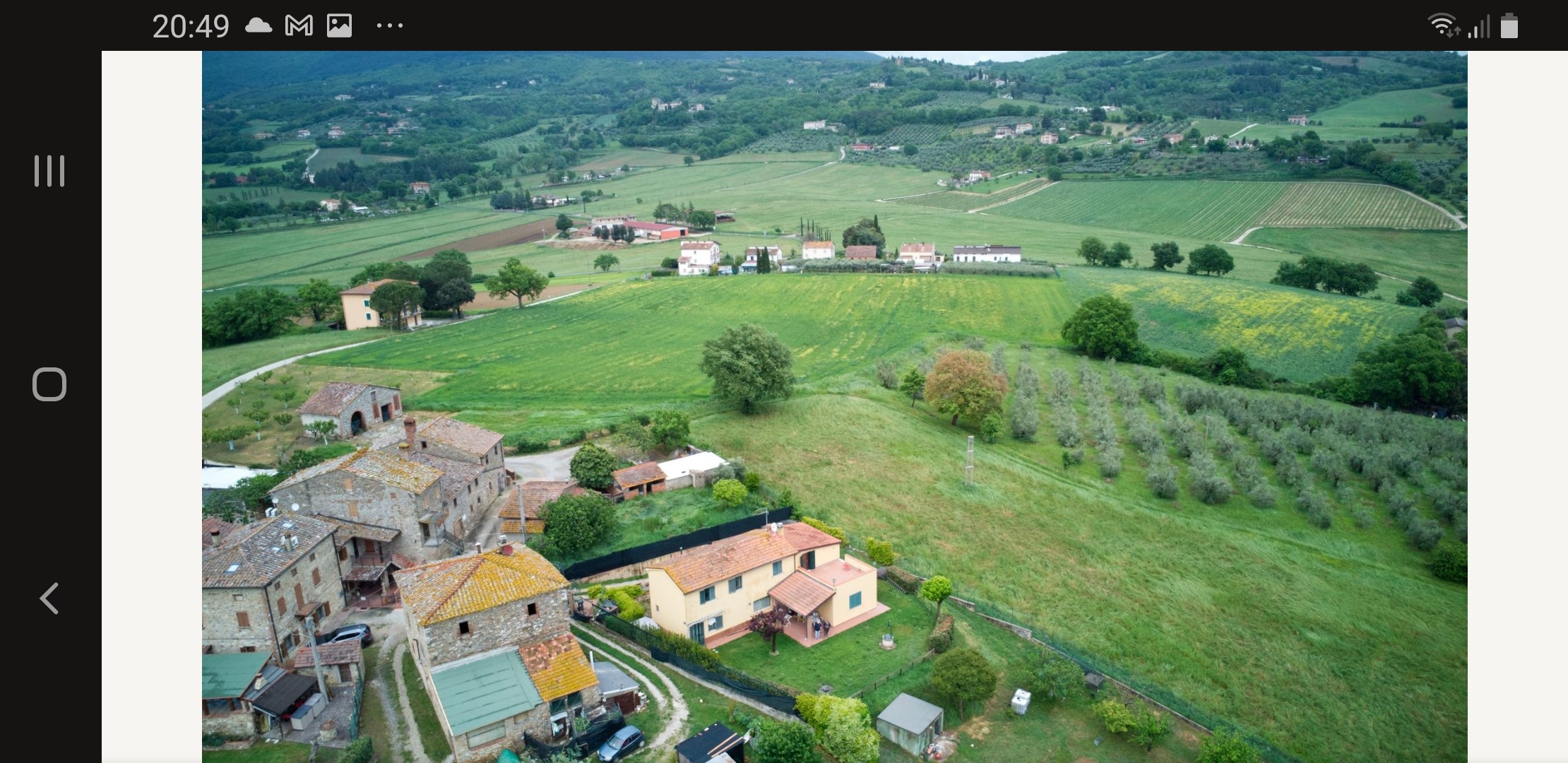
The property comprises approximately 16 hectares of land. There are 150 olive trees, 90% of which are Moraiolo, which produces excellent oil; 50 walnut trees of good quality and size; and approximately 600 Douglas fir trees, nearly ripe. In approximately two hectares of land planted with fir trees, there are twelve truffle grounds, producing good quality and quantity. The truffle grounds are private and carefully monitored.
WHY BUY IT
Whoever owns the Clarignano Tower will be able to claim ownership of a monument of considerable historical and artistic value, underscored by the work of a great artist, Rosso da Settignano, a master of marble and Renaissance-style sculpture.
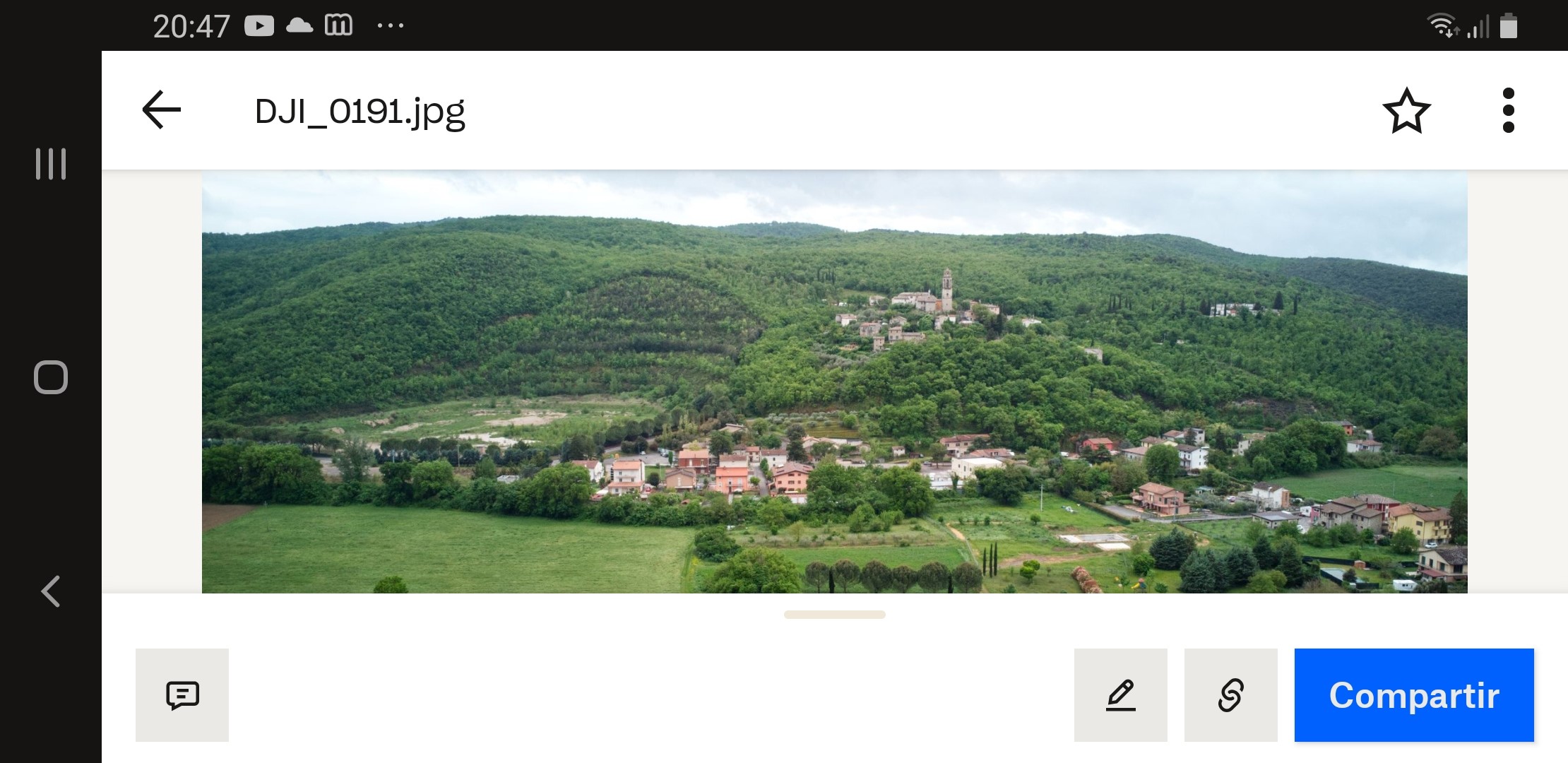
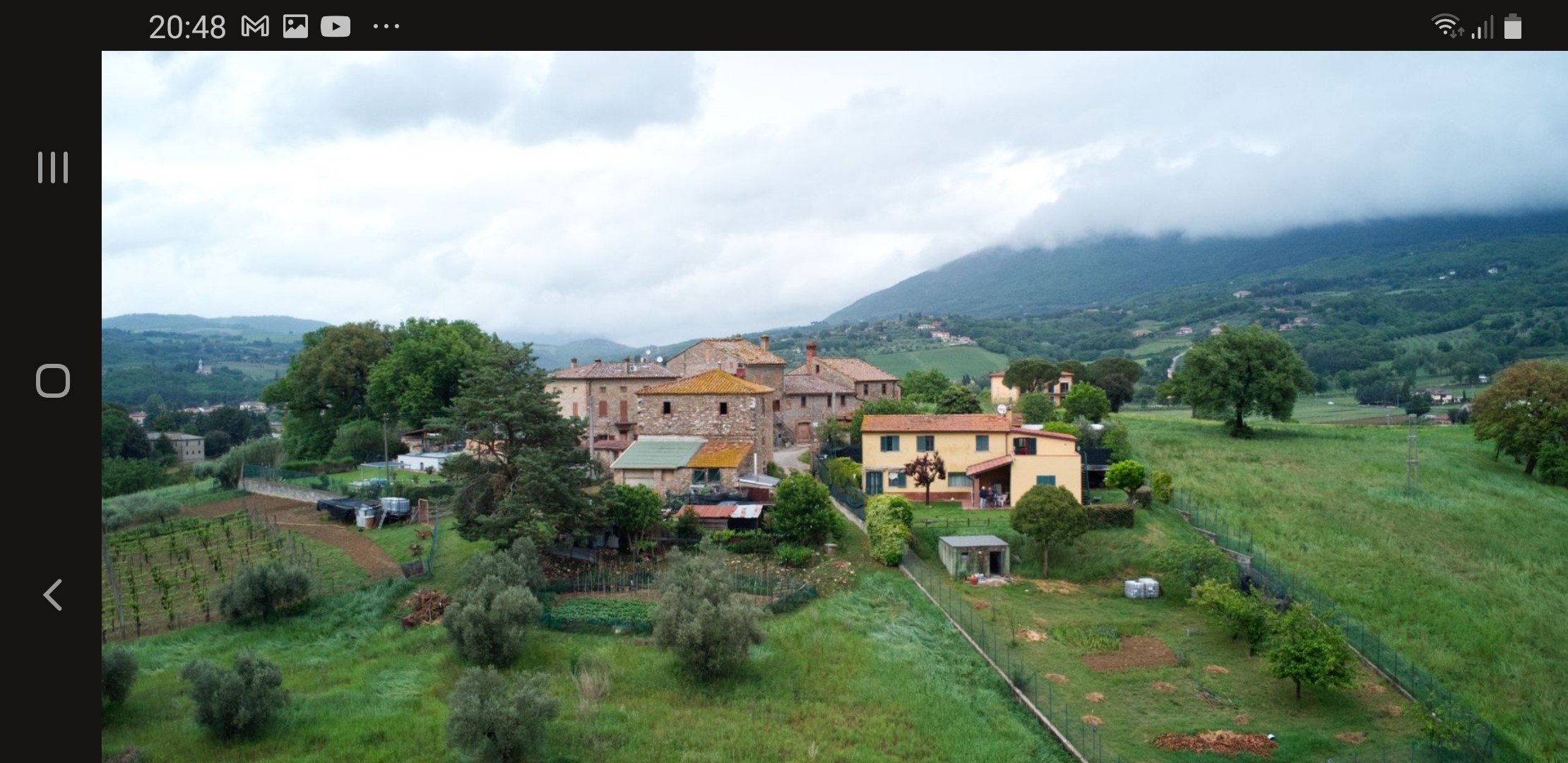
The tower, which today stands alone in a setting of pristine landscape beauty, is a unique piece of history and nobility from an Umbria that no longer exists, yet continues to fascinate with its atmosphere and the magic of times gone by in a natural paradise frozen in the Middle Ages, where the gaze sweeps across endless vistas that nourish the eye and the soul.
Price
€
590,000
Year Built
1500
Size
150
m²
Lot Size
16000
m²
Floors N°
3
Rooms
4
Floor
terra
Accessible for the Disabled
No
Elevator
No
Price
€
590,000
Year Built
1500
Size
150
m²
Lot Size
16000
m²
Floors N°
3
Rooms
4
Floor
terra
Accessible for the Disabled
No
Elevator
No
For sale is the Clarignano Tower, a piece of Umbria’s most ancient and noble history. The property, dating back to the 15th century, dominates the hills surrounding the Morcicchia Castle, between Montefalco and Giano dell’Umbria. It is the last vestige of a medieval complex belonging to the noble Clarignano family, originally from Montefalco, owners of a castle that was probably destroyed in the first half of the 14th century. In the previous century, the castle was considered part of the Trevi territory, despite being located on the border with Morcicchia and Colle del Marchese, between Castel Ritaldi, Montefalco, and Giano. It is believed that the castle, of which no trace remains, once stood near the current village of Colle del Marchese, on the slopes of the Monti Martani.
By the end of the 12th century, it was already owned as a fief by the noble lords of Clarignano, vassals of the Church, who in 1213 ceded it to the Municipality of Spoleto, choosing to submit to the city government. The nobles of Clarignano still retained possession of that castle in 1341, when they renewed their subjection to Spoleto.
The bilge tower, the subject of the sale, built between 1486 and 1491, was commissioned by the Municipality of Spoleto from Rosso Matteo di Francesco Balsimelli, known by the pseudonym Rosso da Settignano, the creator of one of the holy water stoups in the Spoleto Cathedral, dated 1461, and the pavement of the side aisles of the Spoleto Cathedral.
Much salvaged material from the half-ruined castle was used to build the tower, which is mentioned in the Historical Compendium of the Life, Virtues, and Miracles of Saint Fortunatus, edited by Stefano Monticelli, parish priest of Montefalco, and published in 1829 by the Tomassini printing house of Foligno:
Corcurione (an archaic name for Montefalco, ed.) remained under the protection of Spoleto until around 1212, and would have remained there even longer, had a noble citizen of the Clarignani family, eager to be included in the nobility of Spoleto, not caused serious controversy between his homeland and the said city by ceding his Clarignano castle to the latter. This caused Corcurione’s right to free grazing, and other rights, to be challenged…
The following testimony of the aforementioned deed of sale is available, taken from a Manuscript dated March 20, 1213, which states, verbatim:
Landrino, Filippo, Egigio, and Ascarello, nobles of Clarignano, cede to the aforementioned municipality their rights to the castle and tower of that place.
THE NOBLE LINEAGE OF THE CLARIGNANO FAMILY
The nobility of the Clarignano family from Montefalco is documented in various historical sources. Again from the Compendium on the Life of Saint Fortunato we learn:
“The family of the so-called Nobles of Clarignano was once equally conspicuous. This family owned the Castle of Clarignano, no longer existing today, located between Montefalco and Giano near Spoleto. Today, only a tower remains, which still retains the name of Clarignano. This fiefdom, having been donated by Landrino Clarignani of Montefalco to the City of Spoleto in order to be incorporated into that nobility in 1212, was the cause of considerable turmoil with the said City and Montefalco over the latter’s claim to the Jus Pascendi on the said land. This dispute lasted more than two centuries, and was then amicably resolved in 1490, through arbitration judges, on both sides, under the pontificate of Innocent VIII, by the Governor of Spoleto, Archbishop Maurizio Cibo, the Pope’s brother, and the Rector Antonio De Alberici, Archdeacon of Orvieto, subdelegated by Cardinal Francesco Piccolomini of Siena.
From this family, among others, a certain Angelo Troili, General of the Armies, was born. He was called by Emperor Charles V of the Nobles and served with extraordinary valor under the aforementioned Reigning Emperor. He later earned the title of “The Strong and Sincere Man,” according to the Diploma of Privileges granted to him. Of this Angelo Troili, the following eulogy is written: “Angelus Francisci Troili de Nobilibus de Clarignanis, quae familia Clarignana suis temporibus magnae extimationis per obitum dicti Angeli. Year 1565.”
THE LEGEND OF THE GOLDEN PIG
A curious legend, linked since the dawn of time to the Clarignano tower, tells of a treasure hidden inside. An ancient oral tradition maintains that it was a golden pig. The owners conducted thorough historical research, which led to the discovery of material testifying to the construction work, specifications, and execution, with certain attribution to the famous architect who worked on the interior of Spoleto Cathedral in the second half of the 15th century.
THE PROPERTY FOR SALE
In 2007, the property underwent extensive renovations to consolidate its main structures, preserving its original state and ensuring its continued stability. The structure, approximately 20 meters high with external dimensions of approximately 7.5 x 7.5 meters, is divided into three sections, each punctuated by two barrel vaults and an attic of varying heights. The terrace offers breathtaking views of the Umbrian countryside. The interior can be further subdivided by installing inter-story attics, depending on the intended use and design.
The property comprises approximately 16 hectares of land. There are 150 olive trees, 90% of which are Moraiolo, which produces excellent oil; 50 walnut trees of good quality and size; and approximately 600 Douglas fir trees, nearly ripe. In approximately two hectares of land planted with fir trees, there are twelve truffle grounds, producing good quality and quantity. The truffle grounds are private and carefully monitored.
WHY BUY IT
Whoever owns the Clarignano Tower will be able to claim ownership of a monument of considerable historical and artistic value, underscored by the work of a great artist, Rosso da Settignano, a master of marble and Renaissance-style sculpture.
The tower, which today stands alone in a setting of pristine landscape beauty, is a unique piece of history and nobility from an Umbria that no longer exists, yet continues to fascinate with its atmosphere and the magic of times gone by in a natural paradise frozen in the Middle Ages, where the gaze sweeps across endless vistas that nourish the eye and the soul.
250m²
10000m²
5
2
70000m²
300.55m²
1500m²
5
3
5
250m²
10000m²
5
2
70000m²
300.55m²
1500m²
5
3
5
Everything you need to know about the real estate market and Italy